The Significance of Light Weight Aluminum Casting in High-Quality Production Techniques
Aluminum casting has become a foundation in top notch manufacturing techniques. Its light-weight homes and outstanding toughness make it a recommended selection for numerous sectors. Suppliers take advantage of its layout flexibility and minimal waste generation. As the demand for advanced materials expands, recognizing the nuances of light weight aluminum casting ends up being necessary. This expedition reveals not just its benefits but likewise the evolving modern technologies that shape its future in production. What lies ahead for this innovative procedure?
The Benefits of Aluminum Spreading
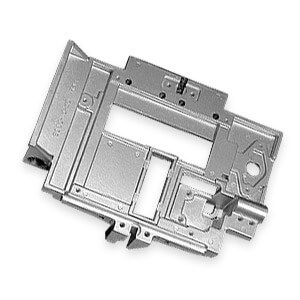
Although various casting techniques exist, aluminum casting sticks out because of its numerous benefits. Among the key benefits is its light-weight nature, which considerably decreases transport expenses and power usage in applications. Aluminum additionally shows superb rust resistance, making it excellent for resilient elements in diverse settings. The spreading process enables detailed layouts, allowing producers to generate complex shapes with high precision and marginal waste. Furthermore, aluminum has premium thermal and electric conductivity, making it ideal for an array of commercial applications. The high strength-to-weight ratio boosts the architectural integrity of actors products, giving toughness without the added mass. Light weight aluminum spreading can be adapted to different methods, such as sand casting or pass away spreading, which expands its applicability across sectors. In general, these benefits position light weight aluminum spreading as a preferred selection in modern-day manufacturing, adding to efficiency and sustainability.
Secret Applications of Light Weight Aluminum Casting
Aluminum casting finds significant applications across various industries due to its helpful residential or commercial properties. In the automobile industry, it is commonly used for making engine blocks, transmission instances, and wheels, advertising light-weight layouts that enhance gas effectiveness. The aerospace industry likewise takes advantage of aluminum casting, where components such as brackets and housings are created to meet rigid weight and toughness requirements.
Additionally, the electrical market utilizes light weight aluminum casting for creating real estates and warmth sinks, which are vital for efficient thermal management in electronic tools. Precision aluminum casting. The building and construction industry makes use of light weight aluminum spreadings for building aspects, home window frameworks, and fixtures, adding to both visual appeals and sturdiness
Last but not least, the durable goods industry integrates aluminum casting in items like cookware and showing off tools, leveraging the product's stamina and corrosion resistance. In general, the convenience of aluminum casting makes it an essential process in conference diverse production requires across numerous areas.
The Refine of Aluminum Spreading
Casting aluminum involves several distinct steps that change basic materials into ended up parts. The process begins with melting aluminum in a furnace, getting to temperature levels around 660 degrees Celsius. Once thawed, the fluid aluminum is put right into a mold, which takes the form of the wanted element. Various mold kinds, consisting of sand, permanent, and financial investment mold and mildews, are utilized depending upon the application.
After putting, the light weight aluminum cools and strengthens, developing a harsh spreading. This casting goes through a series of finishing processes, such as machining, to achieve accurate measurements and surface area top quality. Quality assurance actions are executed throughout to ensure the stability and stamina of the end product. As soon as all processes are total, the ended up light weight aluminum parts are prepared for numerous applications, showcasing the versatility and efficiency of light weight aluminum casting in production techniques. Each step is vital in accomplishing high-grade results, making this procedure necessary in making sectors.
Developments in Aluminum Casting Modern Technology
Recent improvements in light weight aluminum casting modern technology have actually transformed manufacturing procedures considerably. Innovations such as advanced casting approaches, assimilation of clever manufacturing, and sustainability practices are reshaping the market. These advancements not only enhance performance yet likewise address environmental problems, leading the way for a much more lasting future in light weight aluminum casting.
Advanced Casting Approaches
As producers seek higher efficiency and sustainability in production, cutting-edge innovations in aluminum spreading technology have arised to satisfy these demands. Advanced casting approaches, such as die casting, investment spreading, and sand casting, have actually been fine-tuned to enhance accuracy and lower waste. Die spreading allows for faster production prices and tighter tolerances, making it ideal for high-volume things. Investment spreading, understood for its ability to generate complex geometries, allows intricate layouts with exceptional surface area finishes. On the other hand, sand casting stays prominent for its versatility and cost-effectiveness, particularly in low-volume applications. These techniques not just improve the quality of light weight aluminum parts however additionally add to minimized energy intake, aligning with sector goals for lasting methods in manufacturing procedures.
Smart Manufacturing Assimilation
Just how can smart production integration change light weight aluminum spreading innovation? By incorporating innovative innovations such as the Net of Points (IoT), artificial knowledge (AI), and data analytics, clever manufacturing boosts performance and accuracy in aluminum spreading processes. Real-time tracking of equipment and assembly line permits instant modifications, reducing waste and downtime. Anticipating upkeep powered by AI lessens tools failures, making certain regular quality. Furthermore, information analytics can optimize casting layouts and criteria, bring about much better material use and minimized cycle times. These advancements promote smooth interaction between drivers and machines, cultivating a more agile production setting. Generally, smart manufacturing combination markedly boosts the abilities of aluminum spreading, advertising better outputs and more receptive manufacturing methods.
Sustainability Advancements
While the aluminum spreading sector faces enhancing pressure to take on lasting techniques, technologies are arising that considerably reduce its ecological influence. Advanced recycling strategies now make it possible for manufacturers to utilize up to 95% recycled light weight aluminum, considerably reducing energy consumption and waste generation. Additionally, the integration of low-emission technologies, such as electric melting furnaces, reduces greenhouse gas discharges related to traditional casting techniques. In addition, the development of environment-friendly finishes and binders replaces harmful chemicals, boosting work environment safety and reducing ecological contamination. These advancements not only align with global sustainability objectives however additionally enhance the general effectiveness and high quality of aluminum products. As the sector evolves, these developments will certainly play a crucial role in fostering a much more sustainable future for light weight aluminum casting.
Contrasting Aluminum Casting With Various Other Approaches
In contrasting aluminum spreading with other making techniques, a number of critical factors emerge. Expense stamina, effectiveness and longevity, and style adaptability work as key metrics for evaluation (Aluminum Casting Company). copyrightining these aspects can offer insights into the benefits and constraints of light weight aluminum spreading in different production contexts
Expense Efficiency Evaluation
Expense efficiency remains a critical factor to consider in making procedures, particularly when evaluating light weight aluminum casting versus alternate methods. Light weight aluminum casting typically presents a reduced preliminary financial investment contrasted to techniques such as steel building or machining, which need more costly and sophisticated devices. In addition, aluminum's light-weight nature can minimize transport prices and power intake throughout manufacturing. The capacity to create intricate shapes with very little waste even more boosts its cost-effectiveness, as less product is disposed of throughout the manufacturing procedure. Aluminum spreading typically permits for quicker production cycles, leading to minimized labor prices and faster turnaround times. To summarize, when contrasting expense performance, aluminum casting often arises as a favorable option, offering suppliers economic advantages along with premium result.
Toughness and Resilience
Stamina and longevity are essential variables when evaluating production techniques, particularly in the context of light weight aluminum casting. Compared to other techniques such as plastic shot molding and steel manufacture, aluminum casting provides unique benefits. The intrinsic residential properties of aluminum, combined with the casting process, result in lightweight yet robust components that can endure substantial stress and anxiety and environmental elements. Unlike plastics, which may break down over time, light weight aluminum maintains its stability and efficiency under high temperatures and pressures. Additionally, while steel elements can be larger and susceptible to deterioration, aluminum resists rusting, improving durability. This mix of strength and toughness makes light weight aluminum casting a preferred option for markets needing trustworthy performance popular applications, such as aerospace and automobile industries.
Style Versatility Comparison

The Future of Aluminum Spreading in Production
Exactly how will developments in technology shape the future of aluminum casting in manufacturing? The combination of automation and man-made intelligence is anticipated to revolutionize aluminum spreading processes. These innovations can boost accuracy and efficiency, lowering waste and production prices. Furthermore, the development of 3D printing strategies enables for rapid prototyping and customized styles, enabling makers to react promptly to market demands.
Sustainability is likewise a critical emphasis, with developments intended at decreasing energy intake and minimizing ecological influence. Strategies such as die spreading and investment casting are developing to include recycled light weight aluminum, promoting a circular economic situation.
Advancements in materials science might lead to the advancement of lighter, stronger aluminum alloys that could broaden the applications of light weight aluminum spreading throughout various markets. In general, the future of aluminum spreading in manufacturing will likely be defined by increased adaptability, efficiency, and sustainability, placing it as an essential part of modern-day production techniques.
Regularly Asked Concerns
Exactly How Does Aluminum Spreading Impact Environmental Sustainability?
Light weight aluminum casting positively influences environmental sustainability by advertising recycling, minimizing energy intake compared to other steels, and reducing waste. Its light-weight homes also result in lower exhausts during transport, supporting greener methods in various markets.
What Are the Cost Ramifications of Aluminum Spreading?
Light weight aluminum casting usually involves higher preliminary costs due to material and handling costs. However, its durability and light-weight residential properties can yield long-lasting financial savings by reducing maintenance and transport expenses, inevitably balancing the monetary effects for manufacturers.
Can Light Weight Aluminum Spreading Be Recycled Effectively?
Aluminum casting can be recycled efficiently, as the material maintains its homes throughout the reusing procedure. This permits the production of premium elements while lessening waste and minimizing power consumption connected with brand-new light weight aluminum production.
What Precaution Are Needed During Aluminum Casting?
Safety measures during light weight aluminum casting include using personal protective devices like safety glasses and handwear covers, making certain correct ventilation, preserving devices, and adhering to methods for dealing with liquified steel to stop burns, inhalation hazards, and various other prospective mishaps.
Exactly How Does Aluminum Spreading Affect Item Layout Versatility?
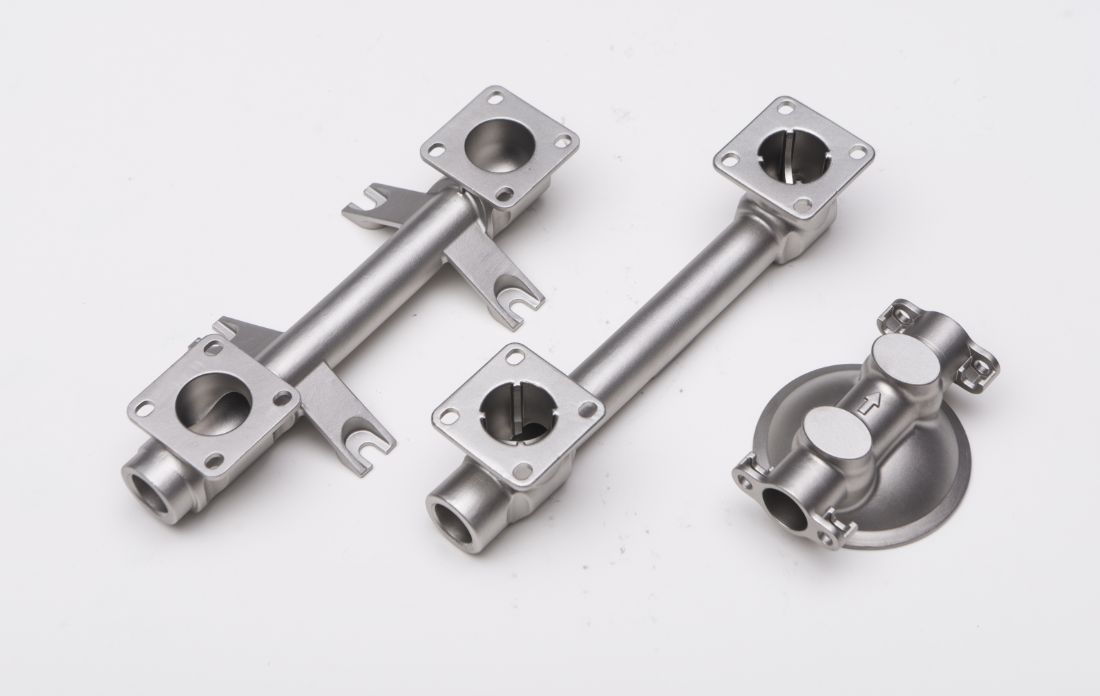
Light weight aluminum spreading improves product design flexibility by making it possible for lightweight structures and intricate forms. This method enables designers to discover ingenious configurations, resulting in versatile applications throughout numerous markets while maintaining toughness and durability in the last products.
Aluminum spreading can be adjusted to different techniques, such as sand spreading or die spreading, which expands its applicability across sectors. When all procedures are total, the completed aluminum parts are ready for numerous applications, showcasing the versatility and efficiency of light weight aluminum spreading in manufacturing strategies. As makers seek better performance and sustainability in production, innovative innovations in aluminum spreading technology have actually emerged to fulfill these demands. Unlike plastic shot molding, which may need extensive tooling aluminum casting modifications for design modifications, aluminum spreading can accommodate adjustments extra easily throughout the manufacturing cycle. Developments in products scientific research may lead to the growth of lighter, stronger light weight aluminum alloys that can expand the applications of aluminum spreading throughout numerous industries.